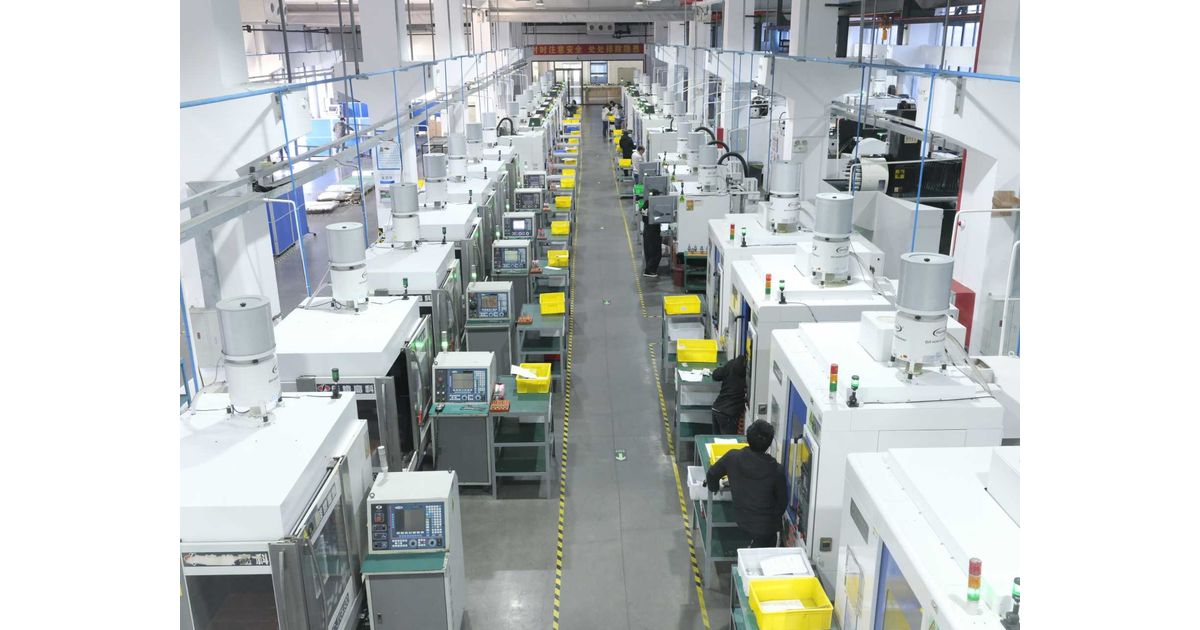
NEXTAS may belong on a CNC workholding shortlist when its product range matches the job and the supplier can answer the open engineering questions. Company age, plant size and a broad catalogue are useful checks. They do not prove that one vise, fixture or automation cell will fit your machine.
The right buying process has two layers. First, check the legal company and assessed factory facts. Then ask for project-level proof tied to the exact drawing, model, inspection plan and order.
What this page can and cannot prove
Public records can help confirm who NEXTAS is and what the assessed site reported. Only your quote, approved drawing, sample, inspection record and acceptance test can prove the scope of your order.
What the supplier report actually proves
The legal entity shown on the current About NEXTAS page is NEXTAS CO., LTD. The site records a founding date of March 6, 2009 and a Zhuhai, Guangdong address.
The About page also links to TÜV Rheinland supplier assessment report MIC-ASI2411114, dated August 6, 2024. The report is presented as evidence about the assessed supplier and Zhuhai facility. It is not a blanket product certificate.
| Recorded fact | What it helps confirm | What it does not prove |
|---|---|---|
| 43,313 m² assessed plant area | The size recorded for the assessed facility | Capacity for your due date |
| Three production lines | The line count in the 2024 assessment | Which line will make your order |
| Seven QA/QC inspectors | The quality staff count in that report | Your project inspection plan |
| 100% visual and functional finished-product inspection | The stated finished-goods control at the assessed site | A dimensional report for every item |
| Raw-material traceability | A recorded traceability control | The records included with your order |
Ask the sales or project team to state which site, line and inspection scope apply to your order. If a required record is not in the quote or order confirmation, do not assume it is included.

Where each NEXTAS route fits
Do not ask whether NEXTAS is good in general. Ask whether one product or engineering route fits the actual work.
- Zero-point systems fit projects that need a repeatable pallet or fixture interface. The receiver, pull stud, load and cleaning plan still need review.
- Self-centering vises fit many multi-side parts. Jaw contact, part shape, clamp force and tool access decide the real fit.
- Custom hydraulic fixtures fit stable part families that need planned location, support, clamp sequence and fluid circuits.
- Pallet changers and automation cells need machine handshakes, payload checks, fault recovery, guarding and a full acceptance plan.
This split also helps procurement compare like with like. A catalogue item, a custom fixture and an integrated cell do not share the same evidence, lead time or acceptance path.
Project inputs that change the answer
A useful review begins with the 2D or 3D part drawing, material, critical features, machine model, table or rotary drawing, and expected batch pattern. Add the current fixture if this is a retrofit.
For automation, include the controller model and software level, door and cycle signals, available floor space, part mass and centre of gravity. State the target operating window, but do not treat that target as a promised result.
If a field is unknown, write unknown. That is better than allowing the supplier to design around a guess.
Proof must follow the selected product
The evidence pack should follow the risk. A standard vise may need a model sheet, interface drawing and inspection record. A custom fixture may also need a design review, clamp sequence, circuit drawing, sample plan and part check. An automation cell adds signal maps, fault tests and site acceptance.
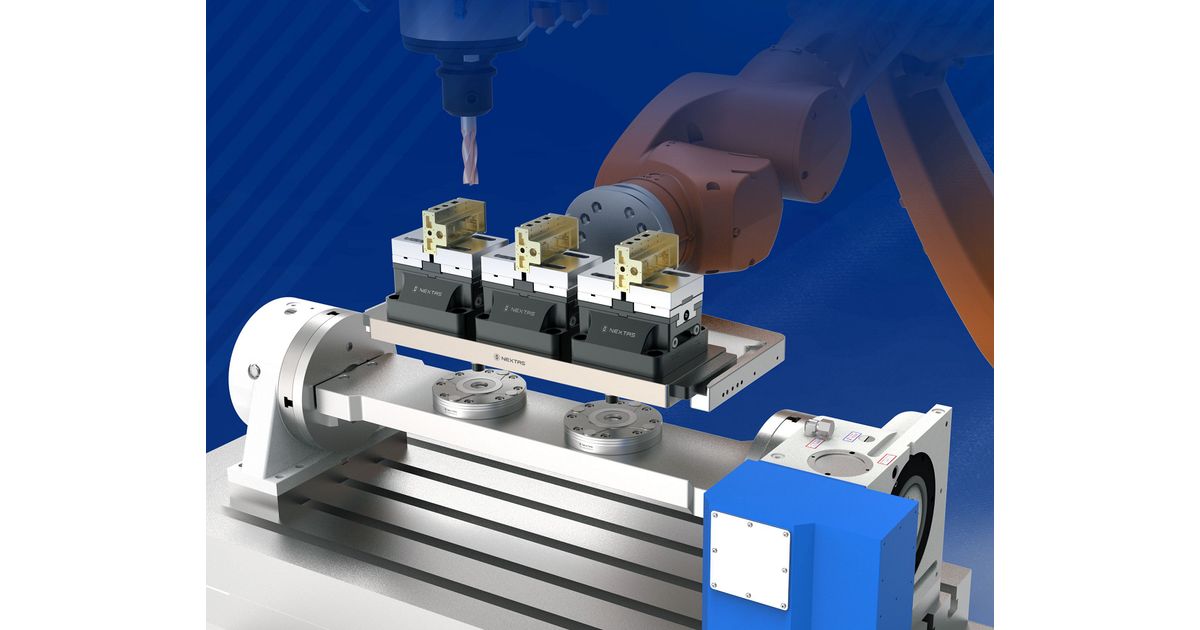
Does the product fit this machine?
Brand names do not prove fit. Two machines from the same maker can have different tables, options, rotary units, controller versions and access limits.
For workholding, compare the mounting pattern, locating method, stack height, load, tool clearance and service access. For automation, also compare the exact controller, input and output signals, software options, network method, door control and restart rules.
The supplier should mark what is confirmed, what needs a drawing and what must be tested on site. Avoid a blanket statement that a product fits nearly every CNC brand.
Lead time starts with a defined scope
Lead time depends on the selected model, quantity, custom work, material, drawing approval, inspection scope and shipping plan. A website cannot confirm those facts for an unseen project.
Ask the quote to show the trigger for the schedule. Is it order date, deposit, drawing approval or material release? Also list the files and records that will be supplied. This prevents a general sales statement from becoming an assumed contract term.
From supplier shortlist to approval
- Shortlist: confirm the legal company, product route and basic capacity evidence.
- Technical review: close the machine, part, interface and acceptance questions.
- Commercial review: align price, scope, lead-time trigger, records and change control.
- Sample or trial: test the highest-risk item with the agreed method.
- Release: approve the final revision and keep the acceptance evidence with the order.
This process is useful whether NEXTAS wins the order or not. It gives the buyer a fair basis for comparing suppliers and a clear record of why one route was chosen.
Building a supplier shortlist?
Build the project evidence pack
Send the drawing, machine, quantity and acceptance needs. Ask the quotation to separate verified facts, open checks, deliverables and exclusions.
Frequently Asked Questions
What is the legal company behind the NEXTAS brand?
The current NEXTAS About page identifies the legal entity as NEXTAS CO., LTD and gives a Zhuhai, Guangdong address. Buyers should still check that the same entity appears on the quotation and order documents.
What does supplier assessment report MIC-ASI2411114 prove?
It records facts about the assessed supplier and Zhuhai facility as of the report date. It does not certify every product or guarantee the quality, documents or capacity for a new order.
What should I send for a CNC workholding review?
Send the part drawing, material, critical features, machine and table data, current fixture, quantity pattern and acceptance needs. Add controller, signals, floor space and part-handling data when automation is in scope.
How can I confirm that a NEXTAS product fits my machine?
Use the exact machine and product drawings. Check the mounting pattern, location method, stack height, load, tool clearance and service access. Automation also needs a controller and signal review.
How does NEXTAS prove quality for my order?
Agree the proof before release. Depending on the project, it may include an approved drawing, model-specific inspection record, sample or tryout, issue log and acceptance test. The quotation should state what is included.
When is lead time confirmed?
Lead time should be confirmed in the quotation after the model, quantity, custom work, approval steps, inspection scope and shipping plan are known. The quote should also state which event starts the schedule.
Keep exploring
Related Articles
Continue with closely matched guides that show how NEXTAS products fit real machining and automation projects.

Self-Centering Vise ROI: Build Your Payback Case
Build a shop-specific self-centering vise ROI case from measured setup time, changeover frequency, labor, rework, downtime, project cost and a controlled pilot.
Read article →
Zero-Point System RFQ: Model, Interface and Acceptance
Turn a zero-point plan into an exact-model RFQ. Check interface drawings, load and support, pull-stud fit, air and signals, documents and acceptance.
Read article →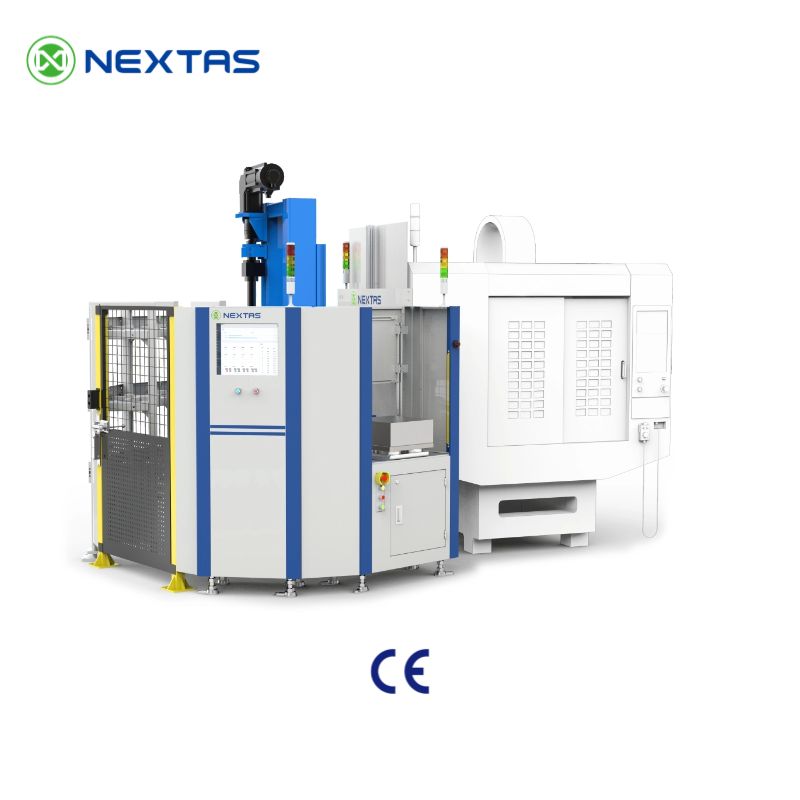
NEXTAS FMS Software: Scope, Interfaces and Acceptance
Review NEXTAS FMS software scope, machine, handling and data interfaces, order evidence, FAT/SAT stages and acceptance inputs before purchase.
Read article →Match the hardware
Related Products
These product pages are the best place to move from general brand interest into specific hardware and application planning.
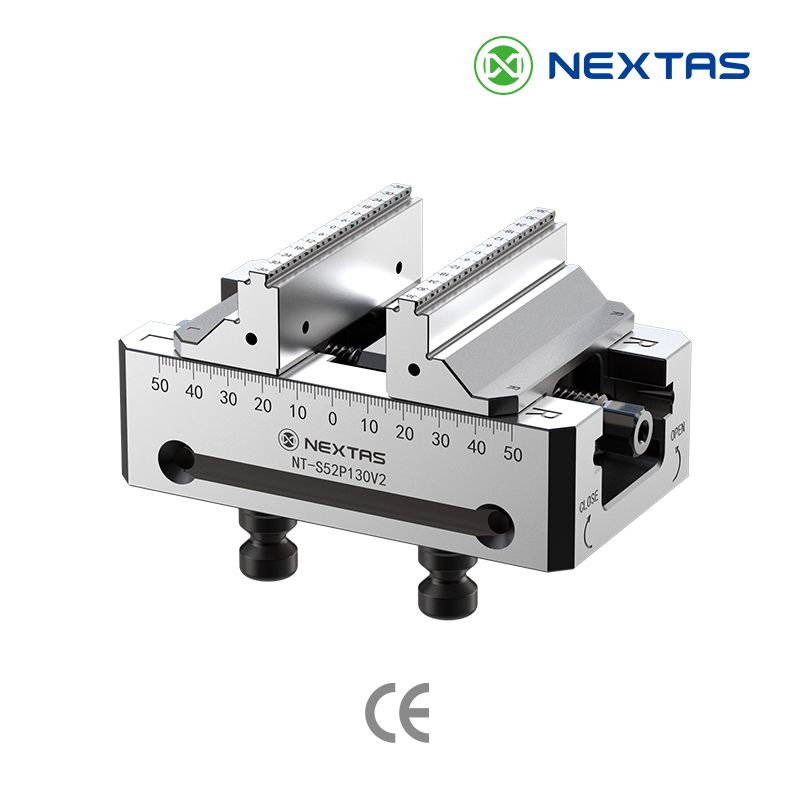
High-Precision 5-Axis Self-Centering Vise
High-precision 5-axis self-centering vises in 52 mm and 96 mm systems, built for modular quick change, automation loading and stable multi-side machining.
View product →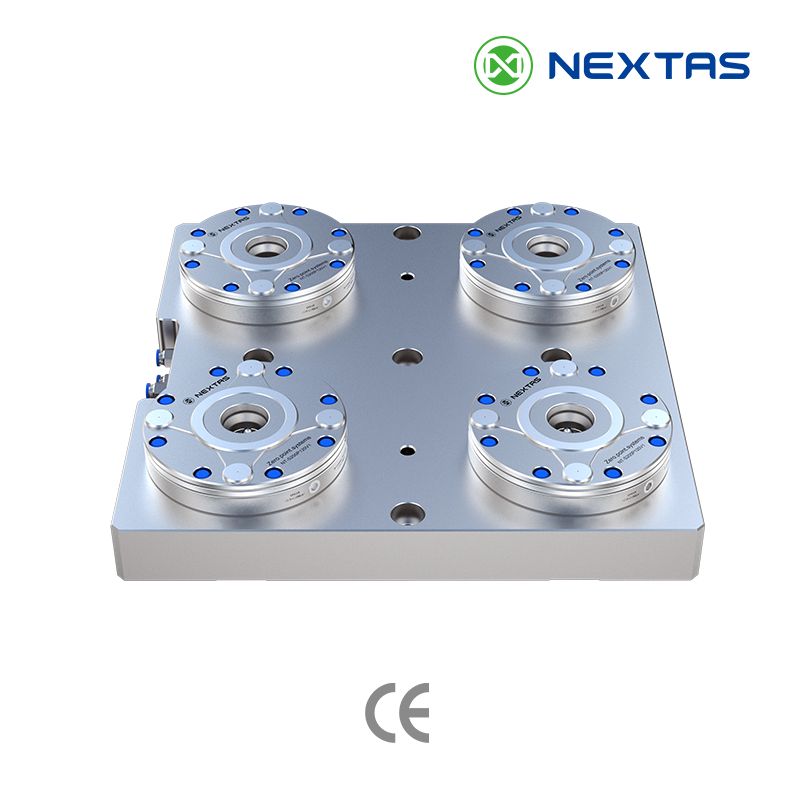
Zero-Point Clamping Systems
MFG zero-point systems for CNC automation, pallets and fixtures, with tapered positioning, mechanical self-locking and repeatability up to ≤0.003 mm.
View product →CNC Automation Systems for Pallet Loading, Rotary Storage & FMS Cells
CNC automation systems for pallet loading, rotary storage, truss handling and FMS-ready machining cells. Match the right layout by machine count, pallet...
View product →Ready for a project-specific supplier review?
Share the part, machine, quantity and acceptance needs. We will separate confirmed scope from open engineering checks.
Send Your RFQ Inputs →