Preferred format
STEP / IGES
Why it matters
Faster quoting and clean toolpath planning.
Prototype manufacturing support for precision CNC parts and production ramp-up
NEXTAS rapid prototyping is built for teams that need functional CNC parts quickly, but also want the project documented well enough to move into pilot runs, fixtures and repeat production without starting over.
Ideal for engineering validation, pilot-part supply and a cleaner handoff into fixtures or repeat production once the design is frozen.

Prototype decision desk
Start with project fit, review the process evidence, then prepare the data engineering needs for a drawing-led quote.
Rapid prototyping works best as a bridge from first-article validation to pilot production, with enough process and inspection discipline to support the next manufacturing decision.
Capability evidence
Review the available machining routes, process controls and finishing considerations before confirming the drawing-led project scope.
(5).png?updatedAt=1755182523411)
The available process route can combine five-axis machining, turning, milling, grinding, and jig grinding as the drawing requires. Material, process, and incoming-inspection requirements are confirmed with the project rather than assumed from one standard prototype package.
Tight-tolerance feasibility and the acceptance method are confirmed by engineering for each drawing, feature, material, datum strategy, process, and inspection scope.
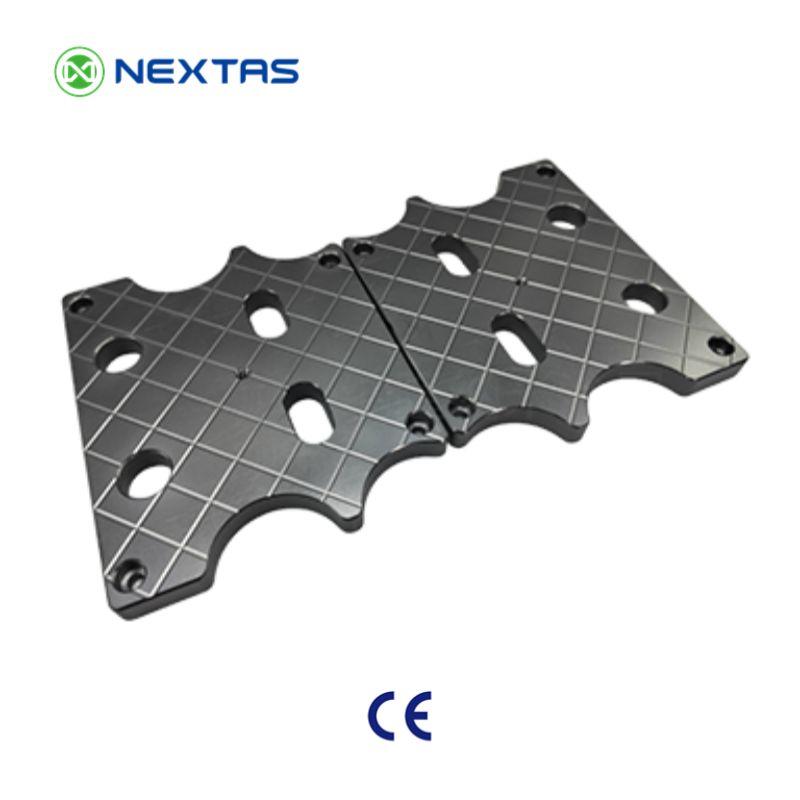

Define the test loads, locating method and critical dimensions for the prototype. Engineering reviews stiffness and fixturing against the controlled drawing, and the agreed inspection plan verifies the manufactured result.
Heat treatment and surface finishes such as sandblasting, anodising, black chrome plating, or diamond-like carbon (DLC) can be scoped when the material, tolerance impact, appearance standard, and approved supplier route are confirmed.
For fast quoting and predictable results, the tables below summarize what matters most: tolerances, materials, finishes, and what to include in your RFQ.
| Item | Typical range / options | Notes |
|---|---|---|
| Tolerance capability | Tight-tolerance feasibility and the acceptance method are confirmed by engineering for each drawing, feature, material, datum strategy, process, and inspection scope. | Actual outcome depends on geometry, material, and measurement method. |
| Materials | Aluminum, stainless steels, tool steels, engineering plastics, specialty alloys | Tell us the exact grade if your test requires it. |
| Processes | CNC milling/turning, 5-axis machining, precision grinding | We choose the most stable route for your critical datums. |
| Heat treatment | Available based on part requirements | Used to improve wear resistance or stability when needed. |
| Surface finishes | Anodizing, blasting, plating, DLC-style coatings (as required) | Finish selection should match function (wear/corrosion/appearance). |
| Inspection & deliverables | In-process + final checks; measurement reports on request | Share your critical dimensions and verification needs early. |
If you’re unsure about tolerances or finishes, send your use case (fit check / functional test / pre-production) and we’ll suggest a practical spec.
Clear deliverables help prototype work move faster and reduce rework when the same part later needs fixtures, datum transfer or small-batch production.
Revision check, material confirmation, critical-feature review and practical DFM comments before machining starts.
CMM results, first-article dimensions, material certificates or traceability records can be scoped around the features that matter most.
Thread quality, cosmetic surfaces, deburring, heat treatment and assembly-critical notes are easier to control when they are defined from the first batch.
When the design stabilizes, the approved CAD, tolerance notes and fixture intent can carry directly into pallet, datum or custom fixture planning.
A practical checklist for rapid prototyping: choose the right process/material, submit clean data, and keep results consistent across iterations.
Want a DFM review or help selecting material/process for your prototype?
Contact usTight-tolerance feasibility and the acceptance method are confirmed by engineering for each drawing, feature, material, datum strategy, process, and inspection scope. Inspection scope and available records are agreed for each quoted project; no complete CMM or inspection package is promised by default.
Typical routes include CNC milling, turning, five-axis machining, and grinding; materials and finishes are selected per drawing. Tolerance capability is feature-specific, so the quotation should identify critical dimensions, datum strategy, and inspection method rather than promise one tolerance for the whole part.
The service can support functional prototypes, fit-check parts, first articles, and low-volume pilot pieces using an agreed combination of machining, finishing, and inspection processes.
Send your STEP, IGES, or Parasolid model together with a controlled 2D drawing for tolerances, threads, finishes, and inspection notes. Include revision, units, quantity, material, and delivery target so the team can review manufacturability.
Typical material families include aluminum, stainless steels, tool steels, engineering plastics, and specialty alloys. Exact grade, stock condition, finish, manufacturability, and inspection scope are confirmed against the drawing before quotation.
Prototype lead time depends on material and grade availability, geometry, critical tolerances, finish, quantity, inspection scope, and delivery destination. Engineering confirms the schedule after reviewing the controlled model and drawing; the website does not guarantee a fixed lead time.
Tight-tolerance features need a controlled datum strategy, suitable equipment and tooling, stable material, in-process checks, and a capable final inspection method. Feasibility and the measurement plan are confirmed feature by feature before the order is accepted.
Available records are defined for each quoted prototype project and may include material evidence, dimensional or CMM inspection, and other agreed traceability documents. The drawing, tolerance plan, acceptance method, and order confirmation define the exact package; no complete inspection set is promised by default.
Request available engineering data, selection support, or a drawing-led manufacturability review. Requests go to engineering so the information supplied can match the quoted project.
Request available model data and selection guidance. Engineering confirms the information scope for the quoted project.
Submit your 3D model, controlled drawing, material, quantity, finish, and inspection requirements for review.
Fast quote
Three fields are enough — our engineers reply after reviewing the request with pricing and configuration advice.