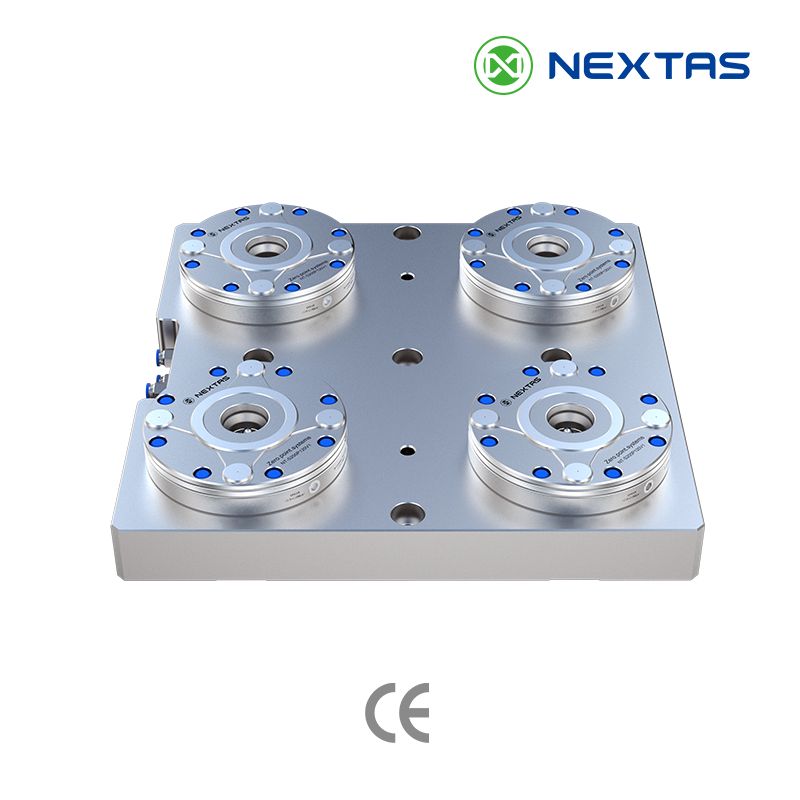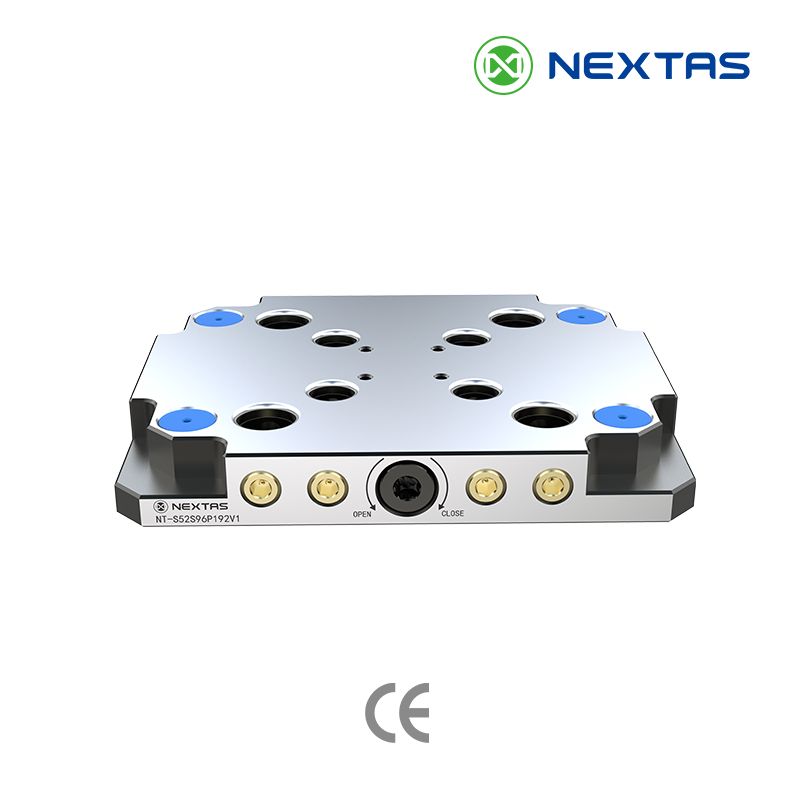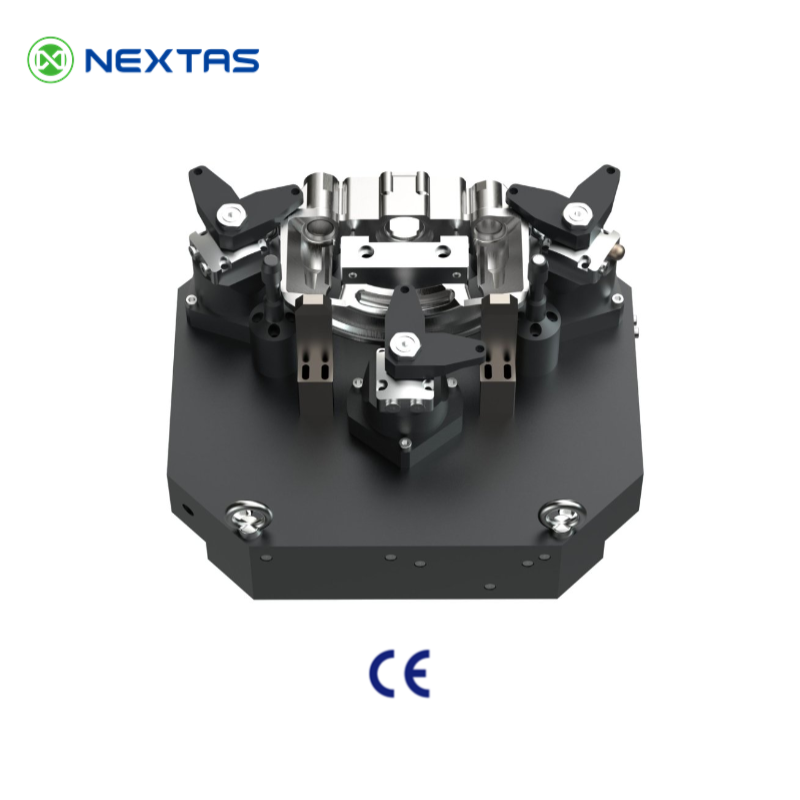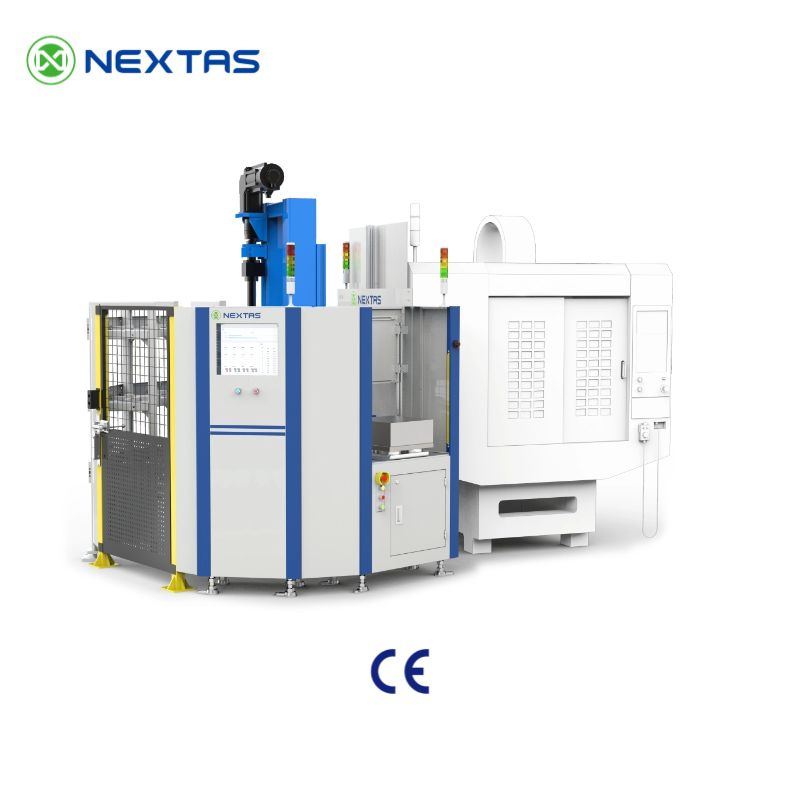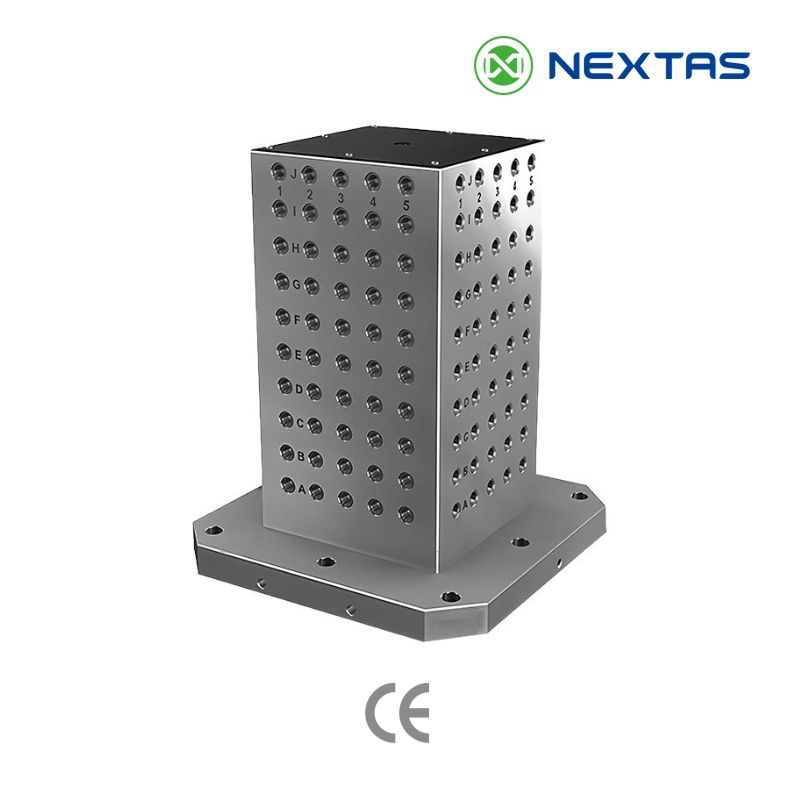
Square Tooling Columns
Four working faces for arranging dedicated fixtures around one column.
Organize more fixture positions around one column
Arrange dedicated fixtures on multiple working faces for HMC, VMC or rotary-table machining. NEXTAS tooling columns offer cast-iron bodies and several locating layouts, with standard models and custom patterns. Select the face arrangement around part access, then check the complete loaded assembly against the machine.
Product overview
Compare two-sided, square, cross, hexagonal and octagonal layouts by fixture density, loading access and tool reach.
Use plain holes, precision locating bores or T-slots to suit the fixture. Custom drilling and threads follow drawing review.
Replaceable fixture decks provide a route for preparing the next setup while keeping the selected deck-to-column interface defined.
Product series
Four working faces for arranging dedicated fixtures around one column.
Two opposing faces for paired fixtures and straightforward loading access.
A cross-shaped layout for organizing fixtures at multiple stations.
Six working faces for distributing fixtures around a multi-face layout.
Eight working faces for arranging multiple fixtures around one column.
Replaceable sub-plates let you prepare a fixture deck for the next job. Match the deck interface to the column.
Specification table
| Product code | Width across flats | Base size | Height | Max workpiece height | Weight |
|---|---|---|---|---|---|
| NT-TCS250P400V2 | 250 mm | 250 mm | 400 mm | 320 mm | 100 kg |
| NT-TCS300P400V2 | 300 mm | 300 mm | 400 mm | 300 mm | 130 kg |
| NT-TCS350P400V2 | 350 mm | 350 mm | 400 mm | 280 mm | 170 kg |
| NT-TCH320P600V2 | 320 mm | 300 mm | 600 mm | 480 mm | 220 kg |
| NT-TCH400P600V2 | 400 mm | 350 mm | 600 mm | 450 mm | 290 kg |
| NT-TCO360P600V2 | 360 mm | 350 mm | 600 mm | 450 mm | 285 kg |
| NT-TCO450P600V2 | 450 mm | 400 mm | 600 mm | 420 mm | 360 kg |
Confirm the listed grade, flatness, perpendicularity, positioning accuracy and acceptance method on the approved drawing. Stress-relief annealing does not establish stiffness or permanent stability under every cutting load.
Typical applications
Plan fixture faces and tool access around thin-walled brackets, fittings and complex surfaces.
Arrange housings, arms and brackets around the column, with the fully loaded assembly matched to the machine.
Plan the machining faces and setup sequence for mold bases, cores, cavities and slide carriers.
Arrange valve bodies, manifolds and housings around a shared fixture base, with the datum scheme defined on the drawing.
Use replaceable fixture decks to prepare the next part family and organize repeat jobs around a common column.
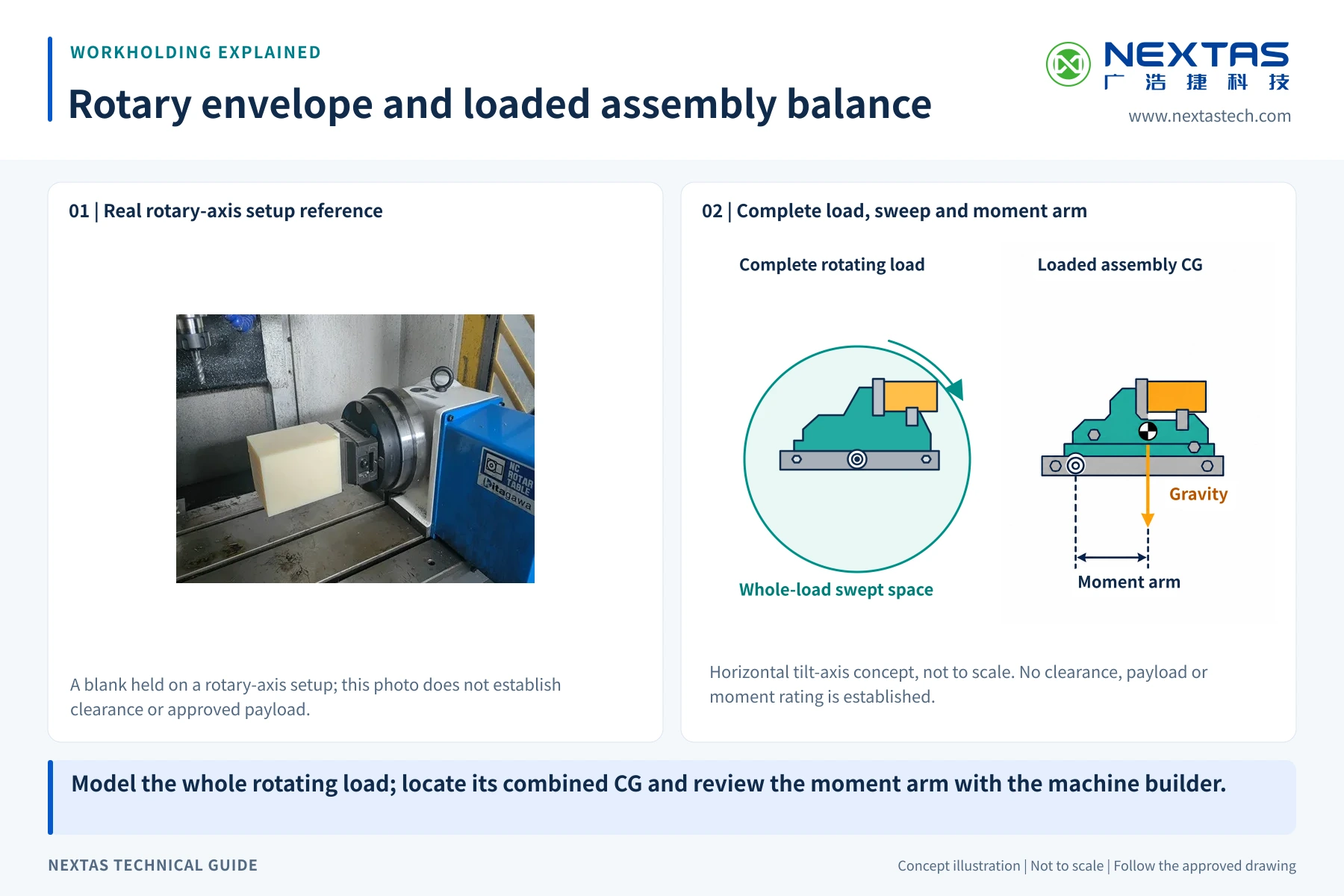
Plan pallet-line fixtures against the complete loaded mass, center of gravity and moving envelope. Define the target unattended period, loading signals and complete-cell acceptance requirements.
Shopfloor video & photos
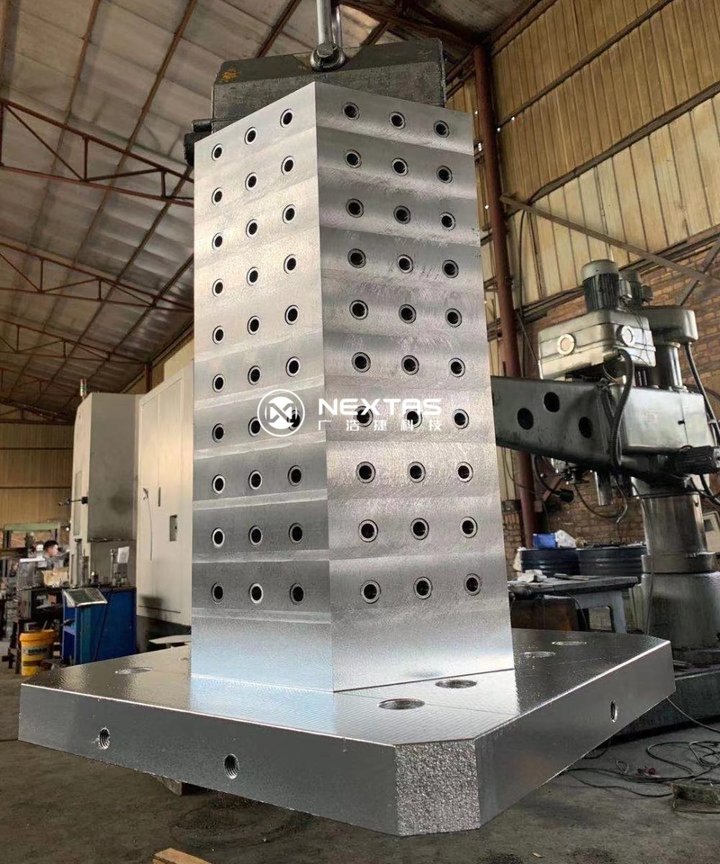
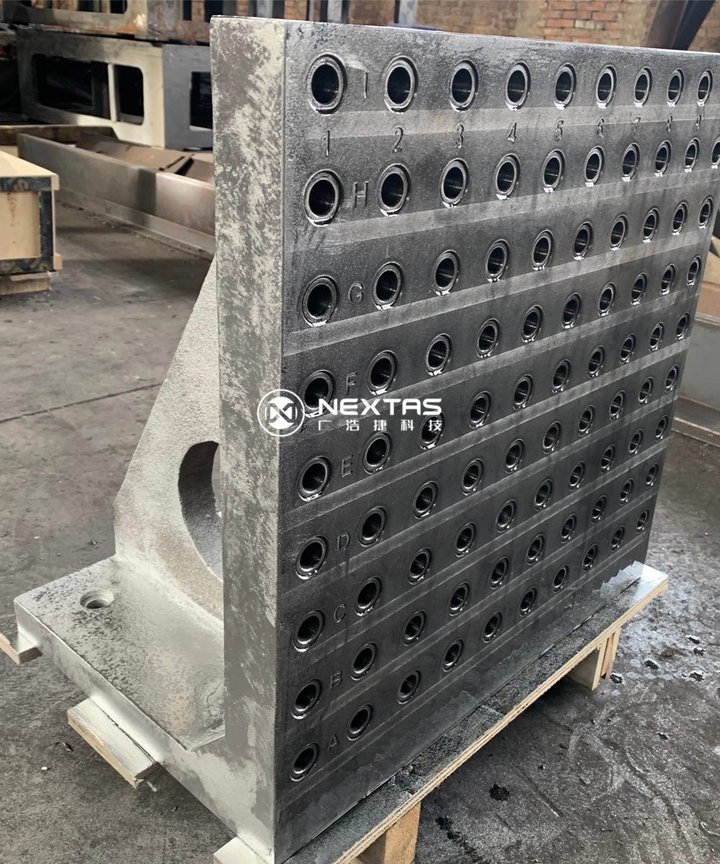
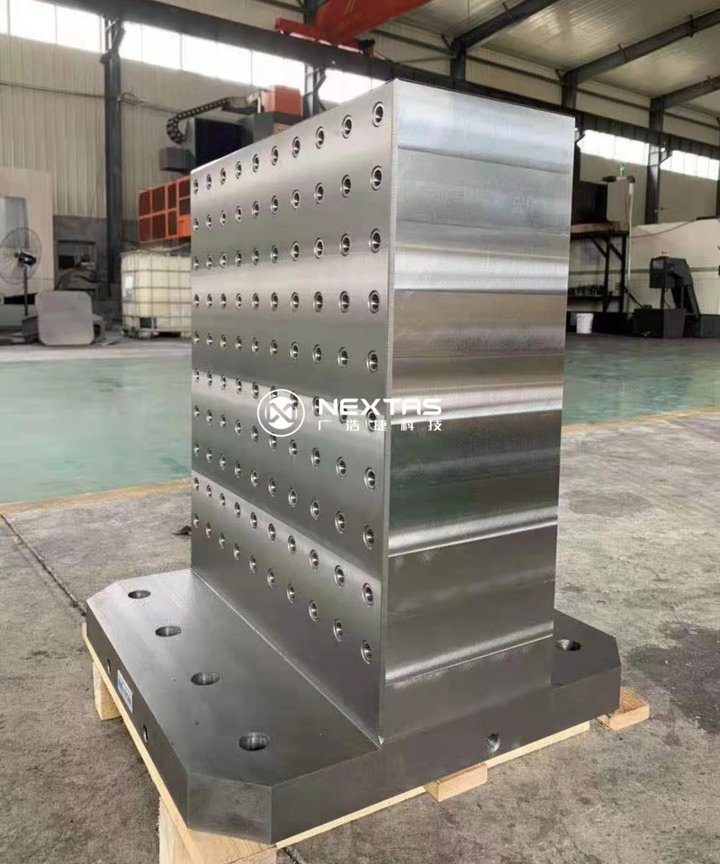
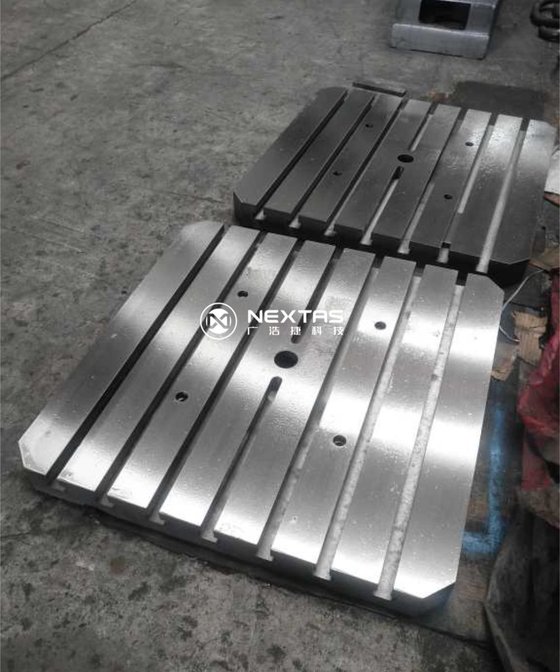
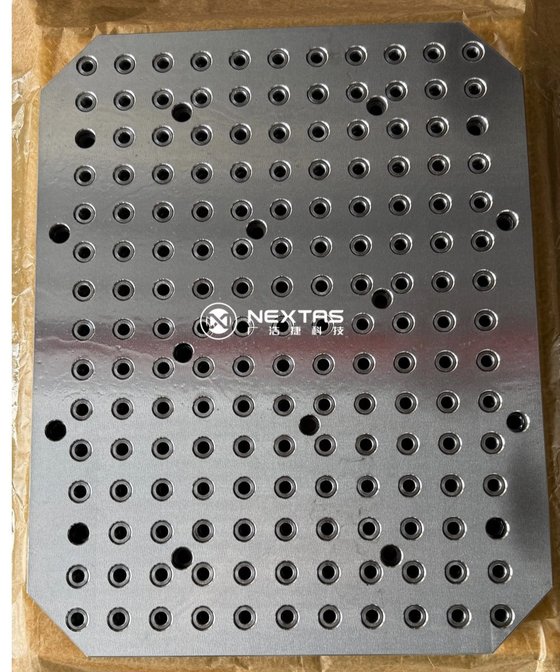
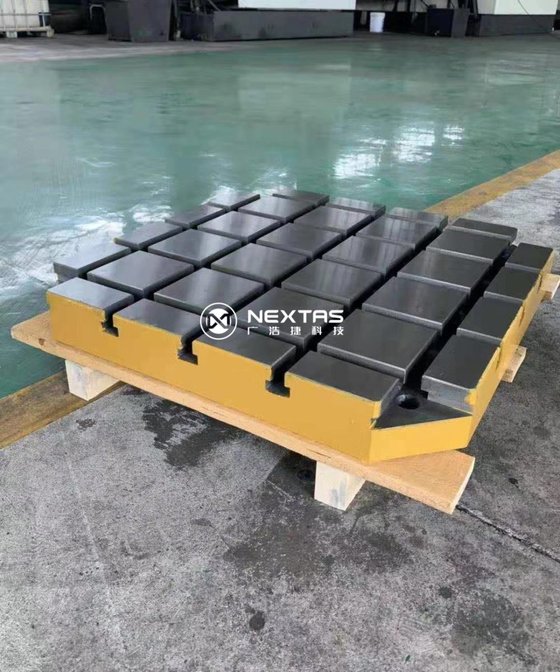
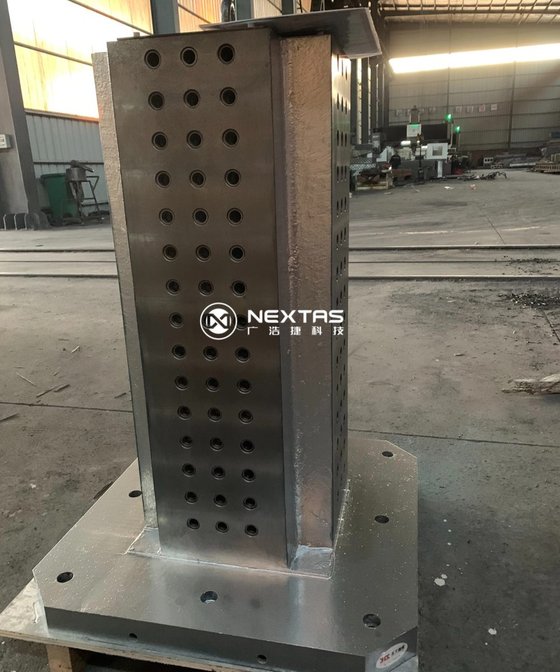
Use these production photos and the short demo video to review surface layout, dense hole patterns, T-slot options, reinforced cast structures and pallet-ready installation before discussing a custom fixture plan.
A 30-second vertical shop-floor view of NEXTAS machining-center tooling columns, including their multi-face form and prepared fixture surfaces.
Watch on YouTube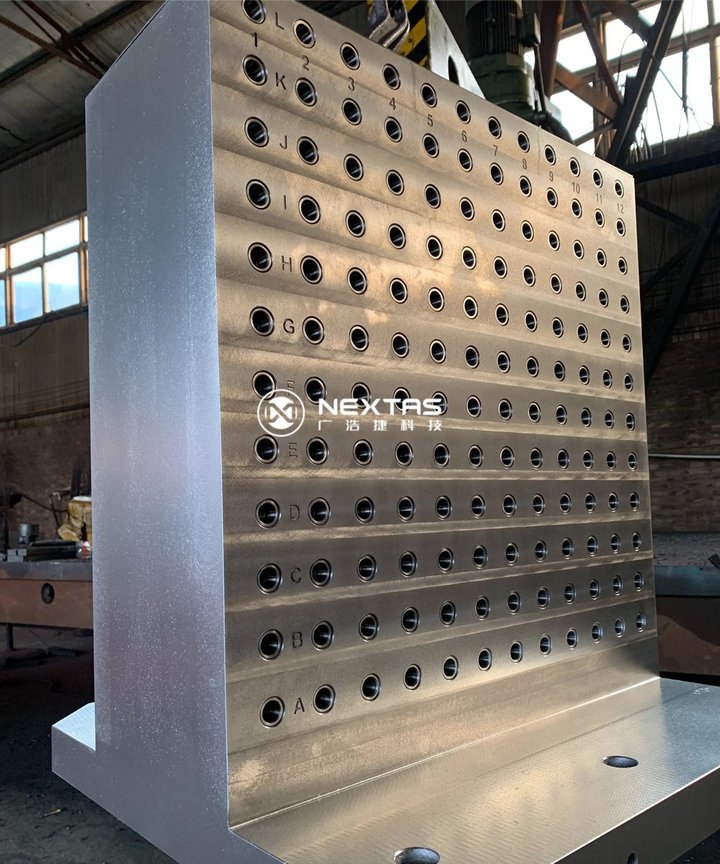
Engineering support
Not sure which configuration fits? Tell us about your setup.
Review My Column LayoutPage updated . Share your selected model or application to request dimensions, interface details and available engineering drawings. Request engineering data. Factory, catalogs, and shows.
Send the machine model, pallet or table interface, required column height, workpiece envelope, fixture density and preferred locating pattern. Drawings or CAD files help confirm the fastest standard or custom route.
Yes. The columns can be matched to pallet systems and zero-point quick-change fixtures. The base and locating pattern should be confirmed against your receiver layout before ordering.
Yes. Custom drilling, threaded holes, precision locating patterns and non-standard sizes can be quoted according to your fixture concept and machine interface.
Use square or double-sided columns for straightforward dense loading, cross columns for multi-station fixture layouts, and hexagonal or octagonal columns when more fixture faces and workpiece capacity are required.
Plain drilling gives the cheapest mounting holes for general fixturing. Precision hole locating uses tighter-toleranced reference bores for repeatable fixture indexing. T-slot locating supports quick clamp repositioning when the same column has to serve several different job setups.
Column timing follows the size and face layout, whether the job is a casting or a machined column, the mounting pattern, fixture content, quantity, and inspection. We confirm the schedule after the machine interface and drawing are reviewed. The ship date is on the quotation after that review.
The columns can be quoted with standard fixture components — clamps, locating pins, support blocks and zero-point receivers. We can quote the full dedicated jig kit or just the cast column body, depending on whether you want a turnkey solution or in-house assembly.
Fast quote
Send the machine or pallet, part dimensions and intended fixture layout. We can compare a standard column with custom sizes or locating patterns.