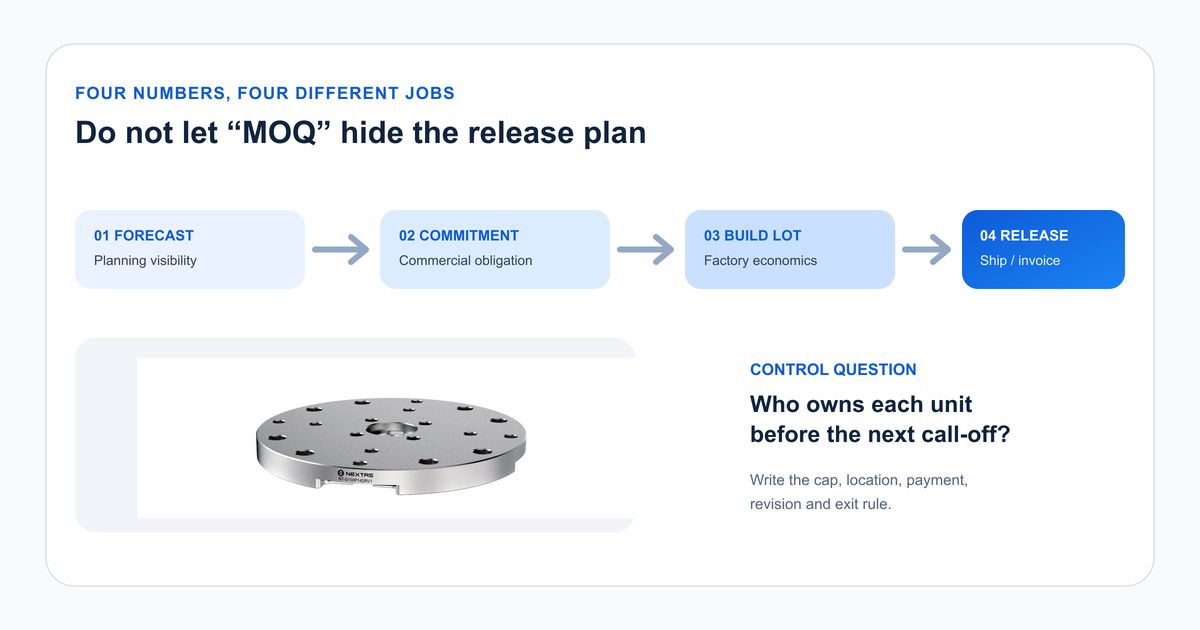
Short answer: Do not turn a 12-month forecast into one firm purchase just to reach an MOQ. First ask what creates the minimum. Then separate the total agreement, planning forecast, firm release, and stock the supplier may build. Put a written cap on raw material, work in process, and finished units. Also agree who owns each item if demand falls or the drawing changes.
A minimum order quantity, or MOQ, can look simple on a quotation. In this fictional planning scenario, a supplier asks for 24 sets and the buyer expects to use 24 sets this year. Ordering all 24 at once is one option to assess, not a NEXTAS minimum or a customer result.
That step can create the wrong risk. Demand may move. A machine launch may slip. A pull stud, jaw, plate, or fixture drawing may change. The supplier may build the whole forecast while you only need six sets now. Both sides then argue about who owns the remaining stock.
A better discussion starts with one question: What makes this quantity necessary? The answer tells you whether to pay a clear setup cost, group production, split deliveries, or limit the material that can be bought before a firm release.
This article is a buyer-side planning guide. It does not state that NEXTAS offers blanket orders, call-offs, supplier-held stock, consignment, fixed pricing, or reserved capacity. Those options and terms must be confirmed for the exact item and quotation. This is not legal, tax, customs, or accounting advice.
A yearly number is not one purchase instruction
A blanket purchase agreement can set the supplier, covered items, terms, and pricing method for a period. A later release can state the actual quantity and delivery date. Oracle explains this split in its official guidance on purchase agreements, blanket agreement lines, and blanket releases.
That software model is useful, but it is not your contract. A forecast may be for planning only, partly firm, or fully binding. A release may authorize shipment, production, or both. The signed terms must say what each document does.
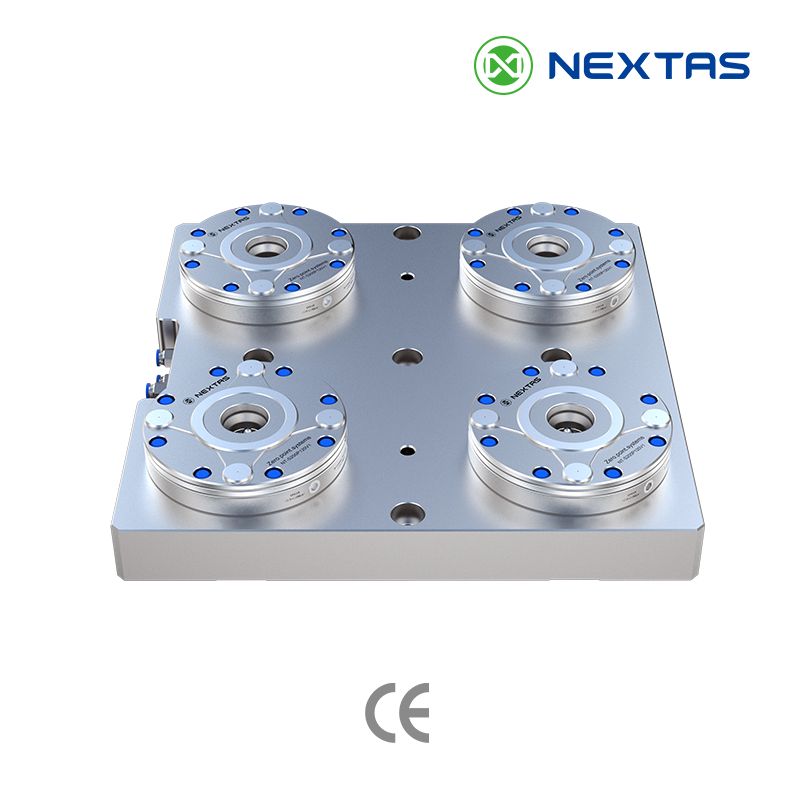
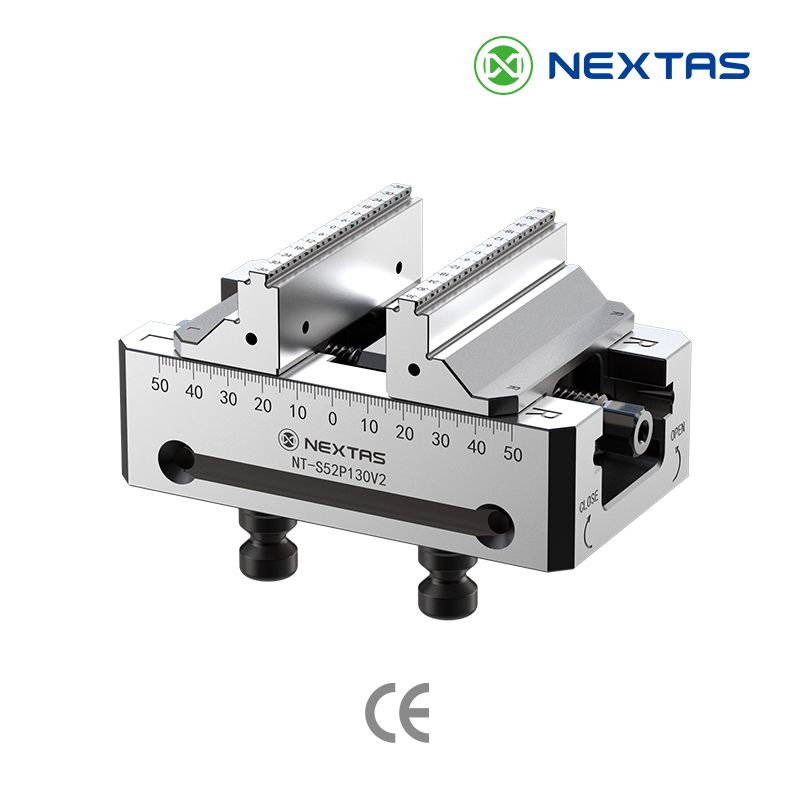
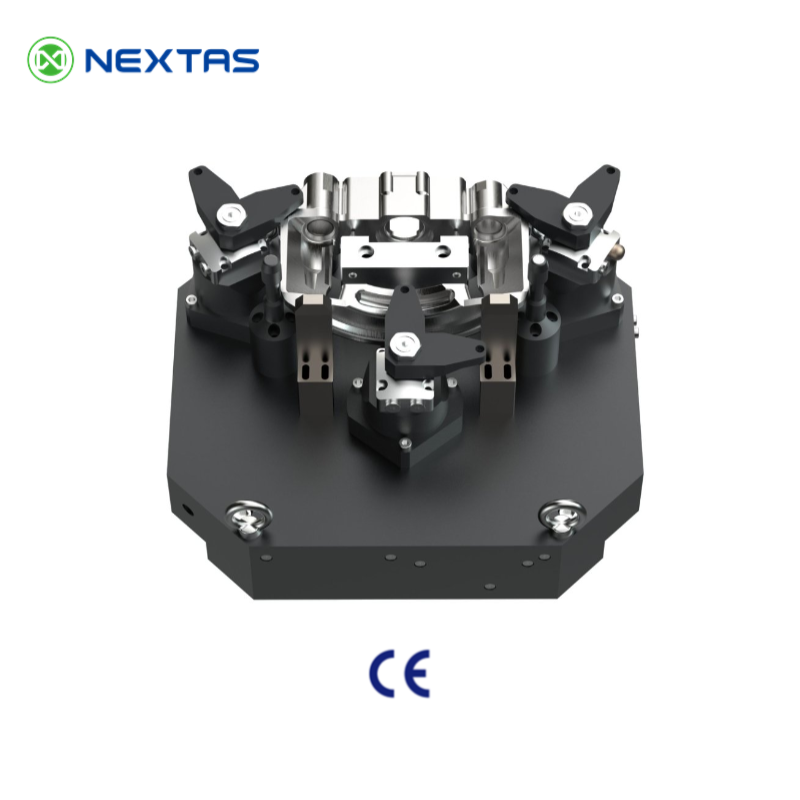
The current English pages for the self-centering vise and zero-point systems show a minimum order of one specified unit. Check the quoted model and revision. Ask what comes with that unit: the base, jaws, locating studs and other parts. A one-unit minimum does not promise repeat-order prices or stock. Confirm dates for each later call-off. Also check the minimum for each option, spare part or custom revision.
Find the real cause of the MOQ
Do not ask only, “Can you lower the MOQ?” Ask which cost or constraint creates it. Common causes include:
- Sales and handling: order entry, export papers, picking, packing, and shipment work.
- Production setup: programming, machine setup, heat treatment, coating, grinding, or a special-process lot.
- Material or bought-out parts: a mill minimum, casting batch, seal pack, sensor pack, or other non-cancellable input.
- Engineering and NRE: NRE means non-recurring engineering, such as drawing review, custom design, programs, gauges, or qualification.
- Inspection: first-article work, coordinate measuring machine (CMM) reports, material certificates, traceability, or a buyer-specific record pack.
- Packaging and freight: a carton, crate, pallet, or freight multiple.
- Capacity or inventory reservation: a separate promise to hold a slot, material, work in process, or finished stock.
Match each cause to a clear term. A one-time NRE charge may be clearer than buying extra finished sets. If there is a material minimum, agree how much raw stock may be bought. Put that cap in the terms. A coating lot may cover later releases if the drawing stays the same. Keep each lot traceable. A crate size may affect the shipment size without changing the production run.
Separate the agreement, forecast, release, and authorized stock
SAP describes longer-range forecast schedules and more exact near-term schedules in its official guidance on scheduling agreement releases. Its materials-planning example treats forecast demand as approximate, then uses a near-term schedule for exact dates and quantities.
This shows why planning visibility and execution can be separate. It does not mean forecasts are never binding. Your agreement must define the boundary.
Work in process (WIP) covers items that have started production but are not finished. Keep separate caps for raw material, WIP, and finished units. They have different values and different chances of reuse.
| Layer | What it should answer | Risk if unclear |
|---|---|---|
| Agreement | Covered item, revision, term, pricing rule, and total commitment | A broad annual number is treated as a firm order |
| Forecast | Likely future demand and which time period is firm, flexible, or for planning | The supplier buys material against demand that may move |
| Release | Exact quantity, requested date, destination, and approval that starts the clock | No one knows whether production or shipment was authorized |
| Stock authorization | Maximum raw material, WIP, and finished stock allowed before later releases | Exposure grows to the full forecast without a visible cap |
Which order model fits uneven demand?
A spot purchase suits a known, immediate need. A blanket order with scheduled releases may suit repeat demand that is stable in total but uneven by month. Supplier-held call-off stock may shorten delivery, but only when ownership, payment, storage, and take-up rules are clear. A mixed-item batch may help when several items share material or process steps. Consignment or vendor-managed inventory adds more data, tax, count, and loss-control work.
None of these routes is automatically better. Ask five questions:
- What total amount becomes firm, and when?
- How much may each release change?
- Who owns stock before and after a release?
- What is the maximum money at risk?
- What happens if demand, revision, or program life changes?
If the supplier cannot combine different items, reserve capacity, or hold stock, use a simpler model. Do not write an operational plan around a service that has not been confirmed.
How much inventory may the supplier build?
“Build what you need against our forecast” is not a safe instruction. Use numerical caps. State what the supplier may buy or build before a firm release. Record the location, owner, valuation, storage cost, preservation method, and evidence needed for any claim.
The agreement should also say whether stock is reusable, returnable, or customer-specific. Add a duty to reduce loss where practical. For example, usable standard components may have recoverable value. A custom engraved plate for an old drawing may have very little.
Worked example: limit a 24-set forecast
The following example is fictional. It is not a NEXTAS MOQ, price, lead time, inventory plan, or offer.
A buyer forecasts 24 sets over 12 months. The agreement says demand outside the firm period is for planning. The buyer releases six finished sets. It also authorizes no more than two set-equivalents of WIP. For simple arithmetic, one finished set has an agreed accounting value of 100 fictional units. WIP is valued at 60 units per set-equivalent.
Gross authorized exposure = firm release × finished value + authorized WIP × WIP value
6 × 100 + 2 × 60 = 720 fictional value units
If the full forecast silently became firm, the gross figure would be 24 × 100, or 2,400 units. The lesson is not that 720 is the right cap. The lesson is to name a cap before stock is built.
A real excess-and-obsolete ceiling must also subtract accepted or paid shipments and agreed recoverable value. It must define proof, mitigation, and disposal. The arithmetic does not decide legal liability.
Tie the price tier to a named quantity
Oracle documents purchase-order pricing that can use cumulative price breaks or the quantity on one release. This matters. “24 per year” does not tell you whether the six-set release gets a six-set price, a 24-set committed price, or a later rebate after accepted volume reaches 24.
Write the basis into the quote. Separate unit price from NRE, tooling, gauges, inspection, certificates, packing, storage, spares, freight, tax, and any expedite charge. Also state validity dates and what can trigger repricing.
What if the drawing changes or demand falls?
Run three “what if” tests before signing.
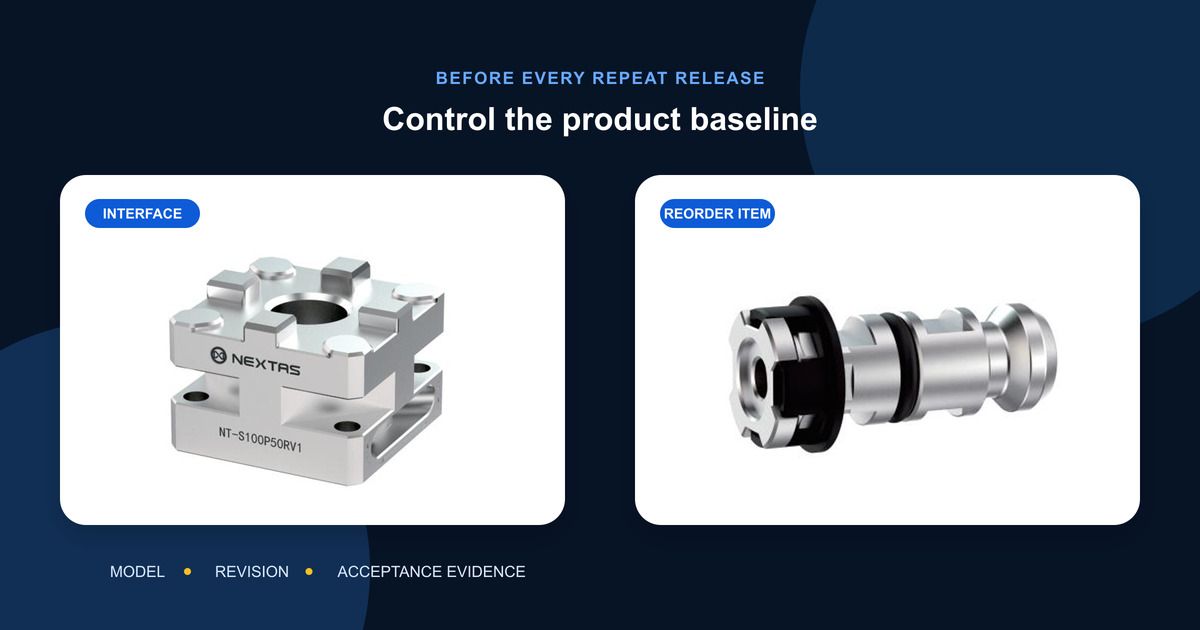
- The drawing changes: Can old raw material or WIP be used? Who approves rework? Who pays when the buyer changes the revision? What happens after an unapproved supplier change?
- Demand falls: Which forecast period was firm? What stock was authorized? Can any item be reused or resold? Who approves scrap?
- The agreement expires: Is there a final release, last buy, return, transfer, or agreed disposal route? What happens to tooling, labels, reports, and spares?
Also freeze lot identity, critical features, inspection plan, report format, deviation authority, and change notice. A good first set does not prove that the next batch will match it.
What every call-off must state
Define a firm period, a flexible period, and a planning period. State how often the forecast is refreshed. Name who may issue a release and what message counts. Set minimum and maximum release size. Name the event that starts lead time: supplier receipt, acknowledgment, deposit, drawing approval, or another milestone.
Then define the exception route. What happens if the supplier rejects a date, ships short, or lacks material? What may the buyer reschedule? Does an urgent small release keep the blanket price or add a setup or expedite charge? A “call-off” without these rules is only an informal request.
A blanket plan is often the wrong choice for new demand, frequent design change, a short program, low-value items with high control cost, or a supplier that cannot show stock status. Start with a pilot or a small firm order in those cases.
The quote inputs that expose the real trade-off
For an MOQ and release review, send the exact item and revision, a 12-month demand range by item or model, likely release pattern, firm-period proposal, maximum inventory cap, inspection package, destination, and rules for revision or end-of-life stock. Ask the supplier to mark every assumption and every option it does not offer.
Map an MOQ and release plan
Share your item revisions, demand range, item/model mix, stock ceiling, and desired release pattern. NEXTAS can review feasible quotation options and identify open assumptions. This does not promise a blanket-order or call-off program.
Request an MOQ Structure Review →Questions buyers ask before a blanket order
Is a blanket purchase order (PO) the same as a firm commitment to buy the full quantity?
Not always. A blanket agreement may show an estimate, a firm quantity, a value cap, or a mix of firm and flexible periods. The contract and each release must say what is binding. Do not assume that the document name settles the issue.
What is the difference between production MOQ and release quantity?
Production MOQ is the batch the supplier says is economical to make. Release quantity is what the buyer authorizes for a named shipment or invoice. They may differ only when both sides agree on who funds, owns, stores, and eventually takes the balance.
Who owns workholding stock held between call-offs?
The written terms should decide this for raw material, work in process, and finished goods. Location alone does not answer ownership, payment, risk of loss, insurance, storage cost, or obsolete-stock liability.
Can several vise, jaw, or pull-stud items share one MOQ?
Only if the supplier confirms that the models share enough material, setup, process, inspection, or packaging work. Define the allowed item mix and the price effect. Similar-looking parts do not automatically form one economic batch.
What should happen to unreleased stock after an engineering revision?
Agree on a cut-in date and list the raw material, work in process, finished goods, tooling, labels, and records affected. Then decide what may be used, reworked, returned, resold, or scrapped, who approves the action, and how recoverable value is credited.
When is a blanket or call-off arrangement the wrong choice?
It is a poor fit when demand is unproven, revisions are likely, the item is highly custom, stock visibility is weak, or neither side will accept a clear exposure cap and end-of-term exit. A smaller spot order or paid setup may be safer.